Smart Green Cleaning · Park Shore
Office cleaning in Park Shore.
Discuss regular cleaning for your workplace with a scope that reflects staff use, visitors, operating hours, and the rooms managed by your business. Start with the details of your Park Shore property for a tailored estimate.
Building management and workplace responsibilities
For a Park Shore office or shared facility, explain whether building management controls entry, loading, or working hours. Identify the rooms your organization manages and the areas maintained by another party so responsibilities are clear in the estimate.
For offices and workplaces that need a regular cleaning plan aligned with staff, visitors, and operating hours.
Share your Park Shore address, ZIP code, property size, and the spaces you want cleaned. The team confirms coverage, scope, and availability before arranging your appointment.
A plan for your property
Review a facility agreement with the authorized site contact. Keep managed-area responsibilities and additional projects distinct from recurring care.
Explore cleaning in Park ShoreCommercial cleaning in Park ShoreMake the workplace scope specific.
An office plan should identify which spaces are shared, which are private, and what the team can access. This gives the service a clear brief from the first visit.
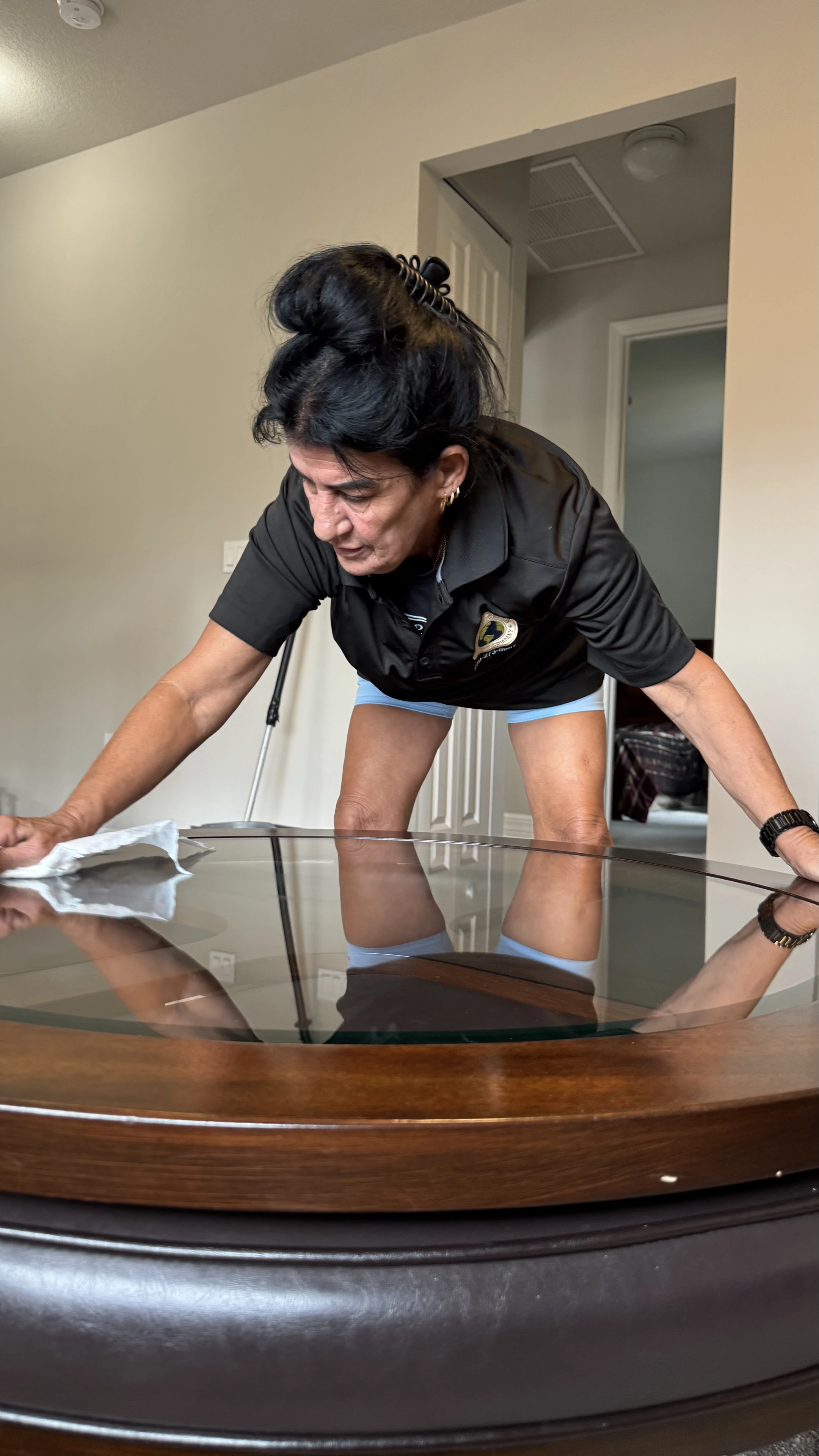
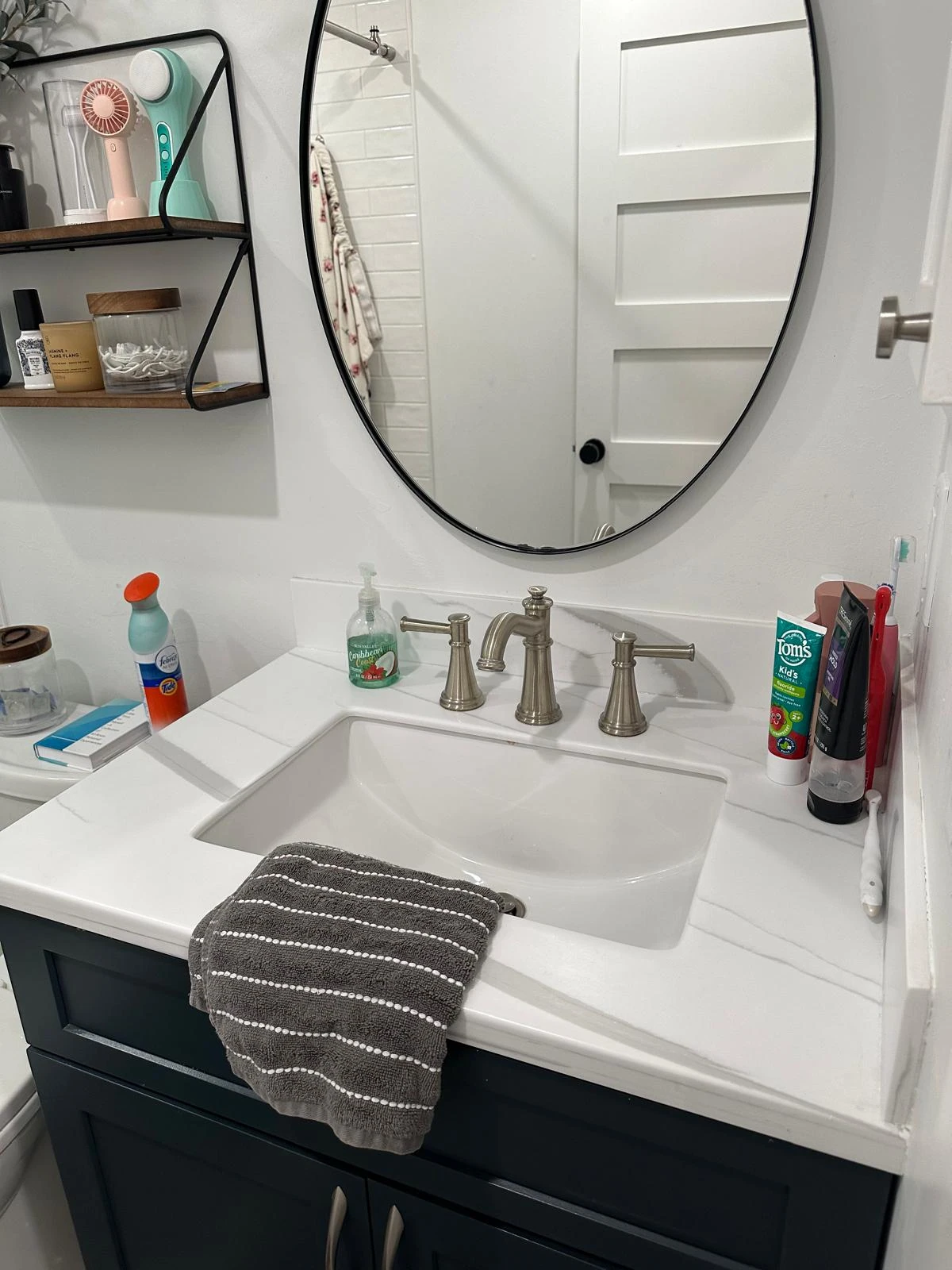
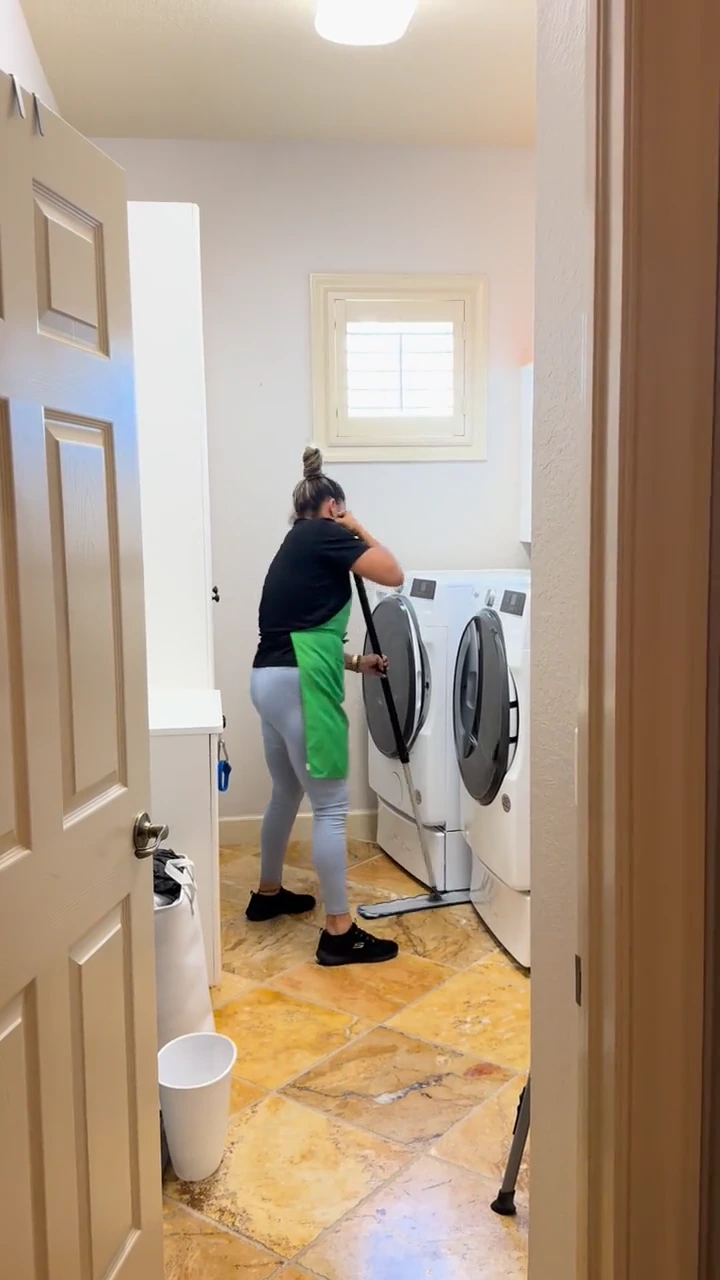
Reception & shared areas
Identify entrances, visitor seating, meeting rooms, and other shared spaces. Foot traffic and how often each space is used help determine the attention and frequency to discuss.
Plan your office cleaning visit in Park Shore.
Separate reception, workstations, meeting rooms, restrooms, and kitchen areas in the request. Explain which desks or materials must not be disturbed and identify the person authorizing access. Frequency should be discussed against occupancy and priorities, with a clear distinction between recurring work and separately requested projects.
Choose a point of contact who can approve the scope and discuss changes. Tell us about restricted rooms, alarm instructions, and any scheduled events that affect access. We will review the plan and availability before an ongoing service arrangement is confirmed.
Before your visit
- Provide the approximate size and a list of rooms.
- Share operating hours and preferred cleaning times.
- Identify restricted spaces and equipment handling rules.
- Name the person coordinating access and service changes.
Service details and aftercare for office cleaning in Park Shore.
Define the workplace tasks and managed areas
Office cleaning starts with the areas your organization actually manages. The scope identifies reception and shared areas, workstations, restrooms and break areas, and floor care. Separate staff workspaces from visitor-facing rooms and spaces maintained by another party. An approximate facility size is useful, but it does not establish responsibility for every part of the building. Identify which areas belong to your agreement and which belong to building management or another occupier. This prevents a routine office arrangement from being interpreted as cleaning the entire property.
Reception, visitor seating, meeting rooms, and circulation areas can have different patterns of use. Describe what happens in each space and which accessible surfaces need regular attention. A meeting room used intermittently and a reception used throughout the day may need different priorities within the same plan. Explain furnishings, display items, and surfaces with particular care instructions. The purpose is to define relevant maintenance work, not to assume that all furniture interiors, decorative objects, or occasional event-related tasks are included simply because they are in a shared room.
Workstations need a boundary between cleanable surfaces and the materials used for work. Specify handling rules for personal items, screens, confidential materials, and equipment. Identify what may be touched and what should remain undisturbed. Do not treat the presence of desks as permission to sort documents, move confidential records, handle specialist devices, or reorganize staff belongings. Those responsibilities remain part of the workplace's instructions. If a surface is covered or unavailable, discuss its accessibility without assuming the cleaning team is authorized to change the arrangement.
Restrooms and break areas should be identified separately from desks and reception. List the facilities and frequently used surfaces included in the proposed brief, and clarify expectations for waste handling and consumable supplies. The service description does not promise replenishment or a particular supply system. Floor care also needs its own distinction: routine upkeep of carpet, tile, and busy walkways differs from deep extraction. The agreed office scope should identify routine work, while specialty carpet or tile treatment retains a separate quote and equipment-access review.
How the cleaning visit fits workplace operations
The visit is reviewed against operating hours, occupancy, access procedures, and the tasks agreed for the workplace. Identify when staff, visitors, or meetings use the relevant rooms and which spaces must remain available. A request for cleaning around working hours needs an availability review; it is not a promise of any particular after-hours schedule. The useful plan distinguishes the work to be repeated from a one-time detail project and identifies the person responsible for coordinating that arrangement on behalf of the business.
Before the arrangement begins, separate approval authority from entry assistance. The person who provides access may not be authorized to add rooms or change the commercial scope. Identify the site contact who can clarify the work, discuss an inaccessible area, or approve an additional request. Provide applicable equipment-handling and confidentiality instructions through that contact. Discuss room order, crew size, product requirements, and any completion review with the team before the arrangement begins. Confirm the requirements relevant to your workplace and how they affect the proposed work.
During a visit, a room closure, covered workstation, occupied meeting area, or restricted equipment zone can change what is accessible. Explain the relevant workplace rule rather than expecting the team to decide which documents or devices may be moved. If the condition differs from the brief, review the particular task and responsibility with the authorized contact. A recurring office agreement should remain tied to the managed areas and approved tasks. New event work or an additional floor-treatment project needs its own discussion instead of becoming an assumed extension of routine care.
For completion, ask how the site contact and team will communicate about the agreed priorities, inaccessible areas, and remaining concerns. A useful review identifies the room and task rather than relying on a general impression of the whole facility. Confirm the available handoff method if the contact will be off site. If you need a signed checklist, photographic inspection, or in-person walkthrough, ask whether it can be arranged and agree on the details before the visit. Keep any review of cleaning separate from internal workplace checks or obligations maintained by another party.
Additional work and commercial limitations
Commercial estimates are tailored to facility size, room use, traffic, frequency, and the agreed tasks. Residential bedroom-based rates and household pet adjustments do not define an office quote. Review the work and responsibilities named in the commercial estimate rather than trying to apply a household package to a workplace. An office with a shared kitchen, several restrooms, and a busy reception can require a different arrangement from a small workspace. The scope should reflect those operational differences without implying a standard commercial price for every facility.
Clarify any requests for waste handling, consumable supplies, appliance interiors, or detail projects. Discuss these expectations with the team and confirm which tasks belong in your facility agreement rather than assuming they are all included. Residential upsell prices should not be assumed to price a facility-wide commercial task. If a project concerns another party's managed area, identify who can authorize it. The location of a surface within the building does not by itself establish that it belongs to the office-cleaning agreement or that the team can access it.
Deep carpet and tile or grout extraction are separately quoted specialty services with dedicated van-based equipment. Routine vacuuming or surface care within an office plan is different work. A workplace can discuss both, but the specialty request needs its own treatment areas, material assessment, and equipment route. Furniture, occupied rooms, and the time the floor must be available affect that review. Do not assume extraction is included because floor upkeep appears in the ordinary commercial scope or because the same business is requesting both services.
Cleaning cannot be assumed to repair damaged flooring, renew worn finishes, correct failed grout, or eliminate every permanent mark. Identify existing defects and the history of prior treatments where known. Restricted rooms, confidential materials, personal belongings, and equipment can also limit the accessible scope. Any specialist procedure or result required by your organization needs explicit review; a general cleaning agreement does not automatically include certification, a specialist sanitation protocol, restoration, or a compliance service. Keep the agreement focused on confirmed cleaning work and the responsibilities the site contact can approve.
Maintaining a useful commercial arrangement
After the visit, review recurring priorities against how the workplace is actually being used. A change in staff numbers, meeting activity, room allocation, or visitor traffic can alter the maintenance need without changing the facility's overall size. Keep observations specific to the managed space, the surface, and the task involved. This makes it easier for the site contact to distinguish a question about agreed work from a request to expand the arrangement or introduce a separate detail project.
For routine care performed by staff or another contractor, follow the instructions relevant to the material and the responsibilities assigned by the business. Avoid introducing an unreviewed treatment to a delicate finish or a floor that has already received specialty care. Manufacturer information and guidance for the actual work are more useful than one assumed product rule for every surface. If another party maintains common areas, keep their instructions and responsibilities distinct from the work agreed with Smart Green for your office.
Where specialty carpet or tile treatment has been arranged, ask for aftercare guidance for that material and treatment before returning furniture or relying on the room for meetings or visitors. Ask when the treated areas can be used again, taking account of the material, treatment, and conditions at the property. Coordinate the next use of those areas with the responsible contact and the team. That conversation belongs to the separately agreed specialty work; it should not be inferred from the maintenance schedule for workstations, reception, or other ordinary office areas.
Use the approved site contact to review changes to room availability, opening hours, or the scope before the next visit. Keep occasional projects separate from recurring tasks so their effect on the estimate is clear. If a concern remains, describe the location, the agreed task, and the issue noticed through the communication method confirmed with the team. A useful ongoing commercial plan connects the work, operational needs, and approval responsibilities, rather than treating every new facility request as included by default.
Family-owned since 2002
Local people.
A team you can talk to.
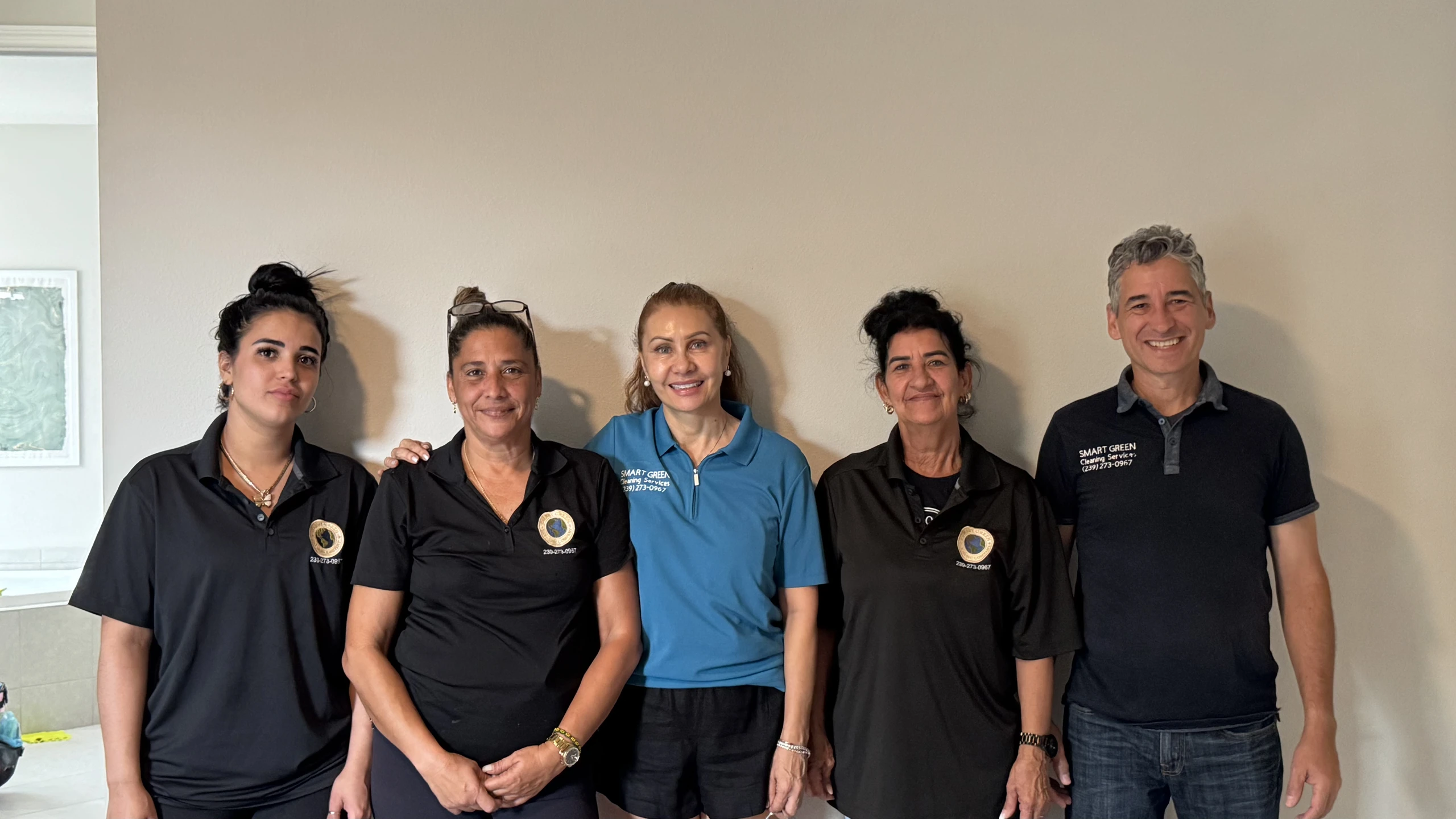
Smart Green cares for Naples-area homes and workplaces. Tell us about the spaces you use, the details that matter, and the help you need. The cleaning plan starts with that conversation.
Meet Smart GreenWhat shapes your estimate?
Facility size, room use, traffic, cleaning frequency, and the agreed tasks affect the commercial estimate. Confirm what the quote covers, how changes are handled, and whether specialty floor care needs a separate appointment. Include your Park Shore address and ZIP code, access instructions, and preferred timing so the team can confirm the arrangements for your property.
- Step 01
Tell us about the space
Call to share the location, service, property details, and your main priorities.
- Step 02
Review the cleaning plan
We follow up to clarify the work, access, and estimate before you decide.
- Step 03
Arrange the visit
Once the quote is agreed, we confirm availability and the appointment details.
Questions about office cleaning in Park Shore.
How do I request office cleaning in Park Shore?
Call (239) 610-2533 to discuss office cleaning for your Park Shore property. Share the address and ZIP code, and describe the size and condition of the space. Include your priorities and access details. The team confirms coverage, the agreed work, quote, and availability before a visit is booked.
Can office cleaning fit around working hours?
Share operating hours, staff or visitor patterns, and the times the space can be accessed. Scheduling options depend on the property and team availability. The cleaning scope, site contact, and entry instructions are confirmed before the arrangement begins.
Who should approve the facility cleaning scope?
Choose a site contact authorized to review tasks and approve changes. Their role may differ from the person providing entry or a building manager responsible for common areas. Clarify which organization manages each space, the applicable operating rules, and how questions about restricted areas should be handled.
How much does office cleaning cost in Park Shore?
Commercial work uses a tailored facility estimate rather than residential bedroom-based rates. Compare the managed areas, repeated tasks, visit frequency, and any additional projects named in the proposed agreement. Supplies and waste-handling expectations also need clarification. The site contact reviews the work and price before service is confirmed.
Can specialty floor extraction be coordinated with facility cleaning?
Yes, discuss the requested services together while keeping their scopes distinct. Deep carpet and tile or grout extraction have separate specialty estimates and dedicated equipment. Ask about the order of work and treatment-specific aftercare rather than assuming routine floor upkeep includes extraction or that all services have the same room-use requirements.
What changes should I mention before my Park Shore visit?
Use the authorized site contact to report changes in operating hours, room use, event activity, managed areas, or equipment restrictions. Identify whether the concern relates to the agreed recurring tasks or an additional project. A new room or specialty treatment needs scope review rather than becoming an automatic part of the facility agreement.
More cleaning services in Park Shore.
Compare the scope of each service before choosing your next step.
Office cleaning in other service areas.
Choose the location of your property for local planning information.