Smart Green Cleaning · Park Shore
Clubhouse & janitorial cleaning in Park Shore.
Plan ongoing care for a clubhouse or shared commercial facility with clearly identified common areas, management responsibilities, and service priorities. Start with the details of your Park Shore property for a tailored estimate.
Building management and workplace responsibilities
For a Park Shore office or shared facility, explain whether building management controls entry, loading, or working hours. Identify the rooms your organization manages and the areas maintained by another party so responsibilities are clear in the estimate.
For community clubhouses and shared commercial facilities that need an ongoing cleaning arrangement.
Share your Park Shore address, ZIP code, property size, and the spaces you want cleaned. The team confirms coverage, scope, and availability before arranging your appointment.
A plan for your property
Review a facility agreement with the authorized site contact. Keep managed-area responsibilities and additional projects distinct from recurring care.
Explore cleaning in Park ShoreCommercial cleaning in Park ShoreGive every shared space a clear plan.
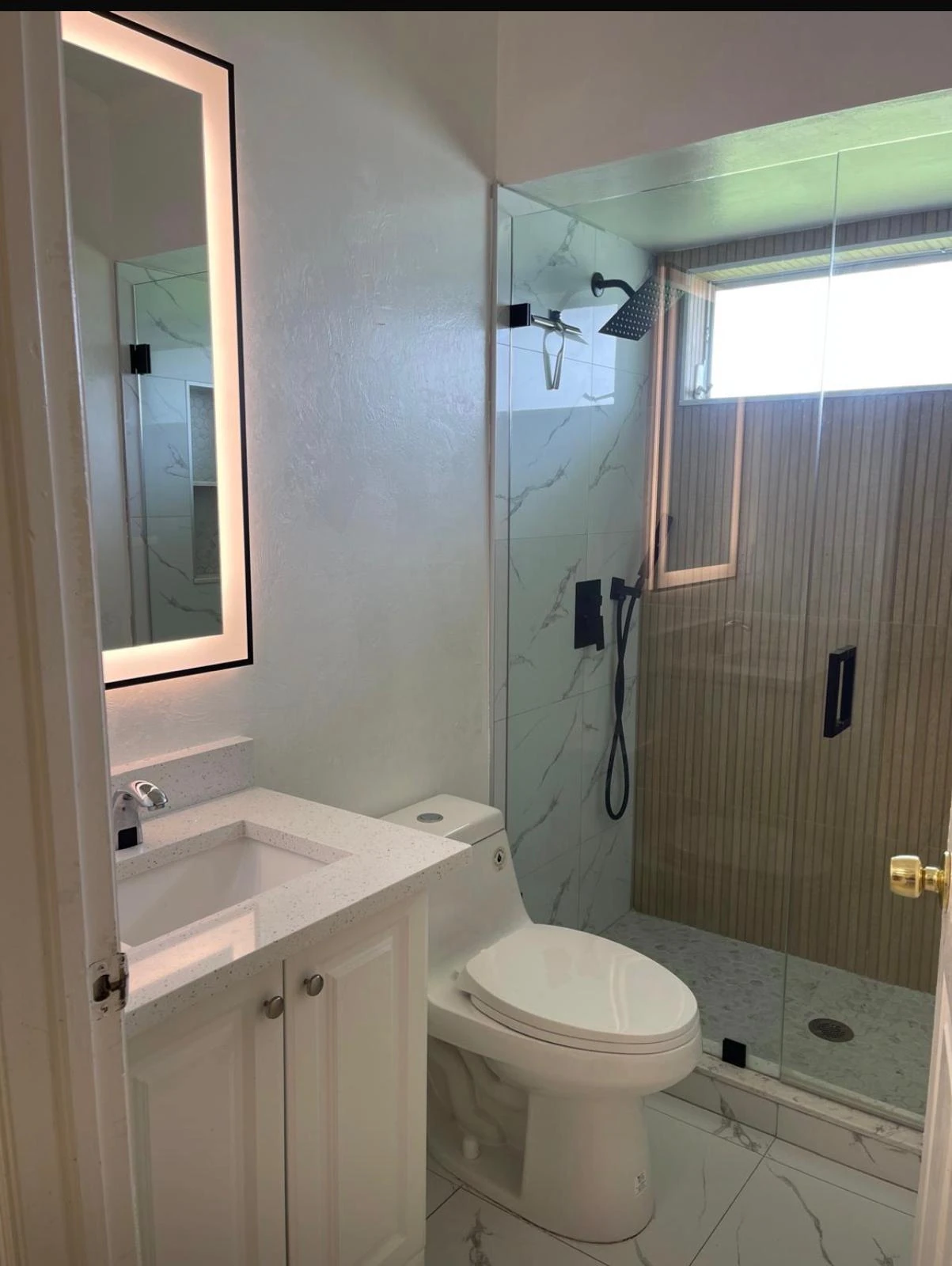
A clubhouse can bring meeting spaces, seating, restrooms, and kitchen areas together. List the spaces actually in your facility so the quote reflects the property you manage.
Entrances & gathering spaces
Describe reception, lounges, meeting rooms, and circulation areas. Flag spaces that become busier during events or seasonal occupancy, and discuss how that affects the regular plan.
Plan your clubhouse & janitorial cleaning visit in Park Shore.
A shared facility needs an area list and an approval contact, not just a general request for cleaning. Identify entrances, restrooms, gathering rooms, and staff spaces, along with events or opening hours. Explain which areas are managed by your organization and discuss any detail or floor-treatment projects separately from the ongoing arrangement.
Property managers should share the required entry process, service expectations, and any building rules before the quote. A documented list of spaces and tasks makes it easier to review an ongoing arrangement and discuss changes when the facility's needs evolve.
Before your visit
- List the shared rooms and their normal use.
- Share operating hours and upcoming events.
- Confirm entry, alarms, parking, and equipment access.
- Identify the manager responsible for scope and scheduling.
Service details and aftercare for clubhouse & janitorial cleaning in Park Shore.
Define the shared facilities covered by the agreement
Clubhouse and janitorial cleaning concerns the shared commercial spaces identified in the agreement. The service scope covers entrances and gathering spaces, shared facilities, scheduling responsibilities, and busy floor areas. A clubhouse can contain several kinds of room, but its name does not establish that every amenity or exterior area is included. Identify what your organization manages and what another party maintains. The resulting brief should explain the rooms and tasks under review, with an approval contact who can clarify the boundaries of the commercial work.
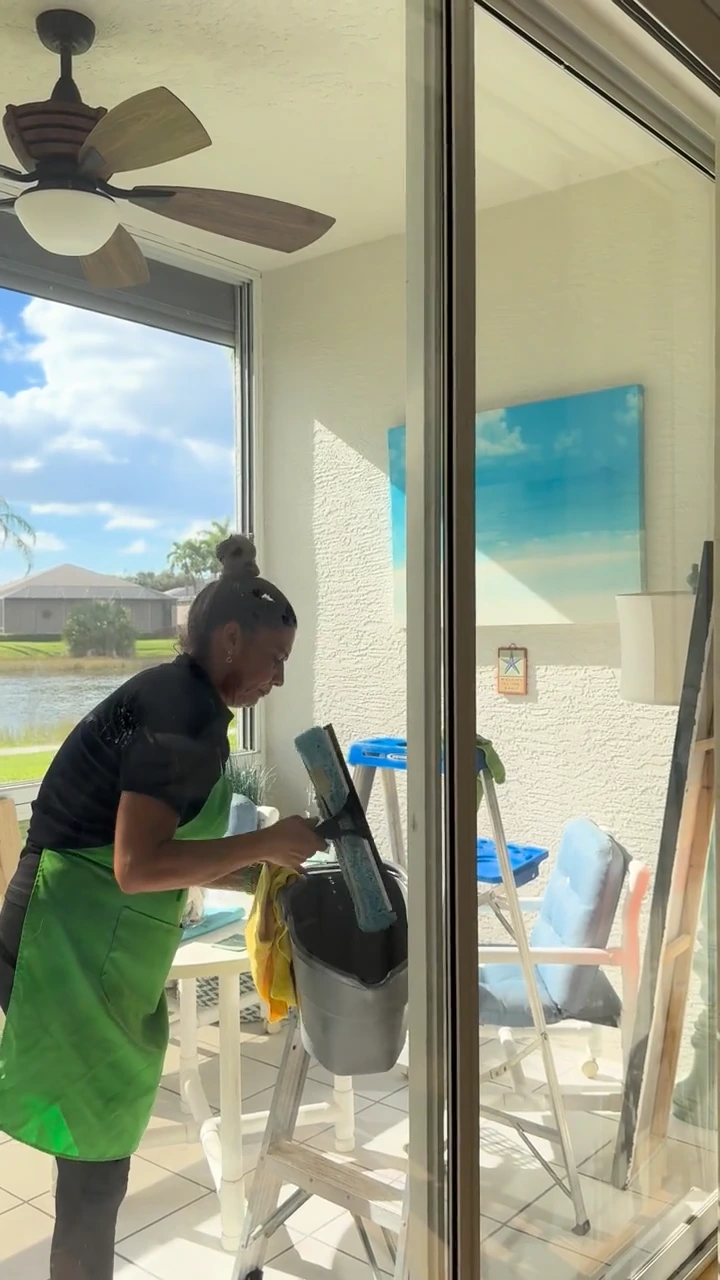
Reception, lounges, meeting rooms, seating areas, and circulation spaces should be described by their actual use. Residents, members, visitors, or staff may use them at different times. A room used for gatherings can have different priorities from an entrance with steady traffic. Explain accessible surfaces, furnishings, and display items, along with anything that should remain untouched. Do not assume that handling equipment, moving event materials, or treating furniture interiors is part of regular janitorial work simply because those items are located in a shared space.
Restrooms, kitchen areas, and other amenities need an individual scope discussion. List the facilities actually present and separate accessible surfaces from specialized equipment or restricted areas. Requests involving supplies, waste handling, appliance interiors, or a particular amenity should be identified rather than inferred from a general service label. Confirm the tasks for each amenity rather than assuming one task list covers every clubhouse. A room-by-room brief helps the facility contact review what is included without extending the arrangement to unrelated managed areas or another contractor's responsibilities.
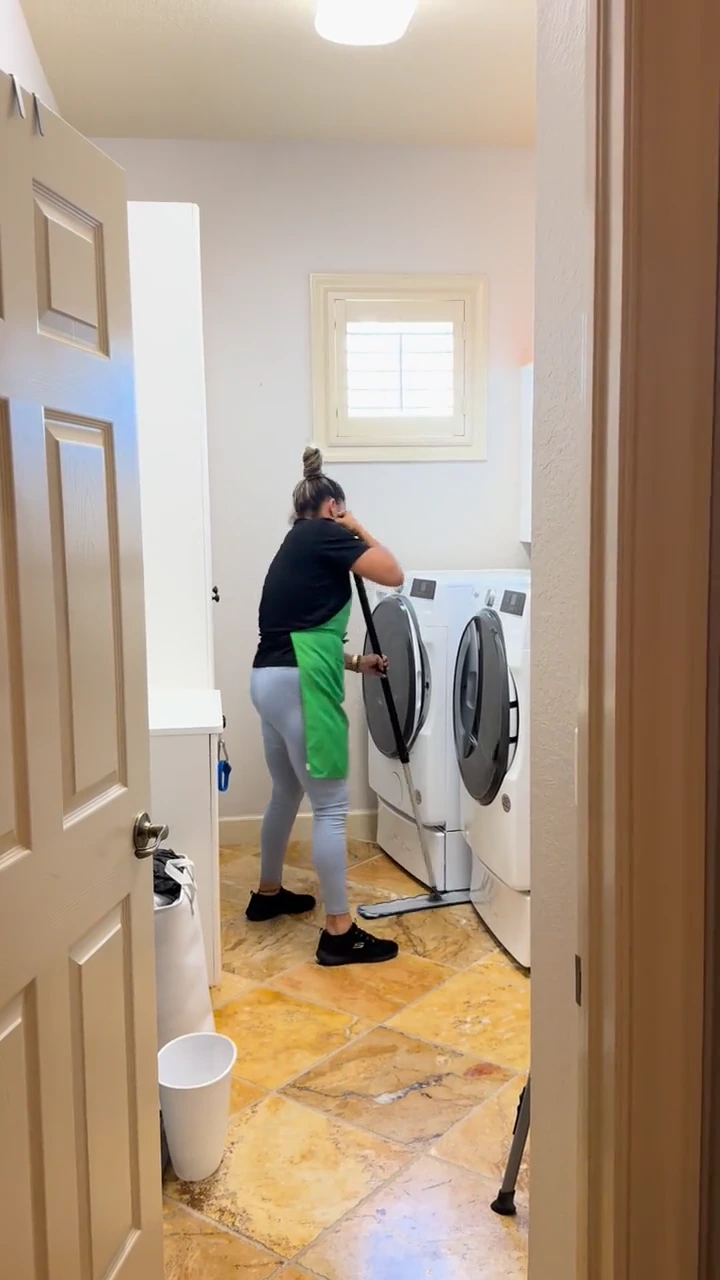
Floors should be listed by material and by the areas used most often. Entrance traffic, gathering rooms, and less frequently used spaces can have different upkeep needs. Routine floor care is distinct from deep carpet or tile and grout extraction. The latter are separately quoted services using dedicated van-based equipment. If the facility needs both recurring care and specialty treatment, identify each scope and the responsible contact. The appearance of a floor task in a janitorial brief does not make extraction, repair, or restoration an automatic inclusion.
Everyday visits, events, and completion handoff
Start with a typical week at the facility and distinguish regular use from event-related activity. Share when spaces are occupied and when the team can access the areas under review. A preferred cleaning window must be considered alongside the agreed work and available schedule. The commercial arrangement should identify the repeated tasks and frequency, while event work or a separate project has its own discussion. This avoids treating the general janitorial label as a promise to accommodate every gathering or changing facility need without review.
Choose the facility contact who can approve the work and clarify the responsibilities of management, event organizers, and other service providers. A person who opens the building may not have authority to add an amenity or change the scope. Explain which areas must remain available and which equipment or belongings may not be disturbed. Discuss crew size, room order, specialist amenity requirements, and any completion checks with the team. If your facility depends on a particular arrangement, confirm it before the visit and identify the person responsible for reviewing it.
When the facility's condition changes, describe the specific difference from the agreed brief. A room still containing event materials, an occupied meeting space, or a restricted area may not be ready for the planned work. Review what is accessible and who can authorize changes. Clearing decorations, handling specialist equipment, or providing an unlisted treatment should not become an assumed cleaning task. Distinguish the work the team has agreed to perform from preparation or decisions that belong to facility management or an event organizer.
At completion, ask how the team and approving contact will review the requested priorities and discuss inaccessible areas or remaining concerns. Confirm the available communication method when management is off site. If management needs a signed checklist, photographic report, or in-person walkthrough, ask what can be arranged and confirm the responsibilities before the visit. Keep the handoff focused on the agreed cleaning work. A facility's own opening checks, amenity inspection, or event acceptance process should remain separate unless a specific responsibility has been reviewed and confirmed with the team.
Additional projects and the limits of janitorial care
Commercial estimates depend on facility size, use, condition, frequency, and the agreed tasks. Residential cleaning tiers do not establish the cost or inclusions for a clubhouse. A facility with gathering rooms, several restrooms, and event use may need a different arrangement from another property with the same approximate area. Review the managed spaces and responsibilities together. The quote should distinguish the recurring work from an additional request so a change in the facility's use does not silently expand the original commercial agreement.
Event-related cleaning, occasional detail tasks, appliance work, supplies, waste handling, and specialized amenity requests need explicit discussion. The service description does not confirm these as unlimited inclusions. Explain the request, the area involved, and the person who can authorize it. If the concern belongs to another party's managed space, clarify that responsibility before expecting the cleaning team to act. Residential add-on prices should not be assumed to cover a facility-wide project or a commercial task with a different scope.
Specialty carpet and tile or grout extraction have a separate estimate and equipment review. Describe the requested treatment areas, furniture, and the route from the dedicated service vehicle to the floors. Identify when those areas must return to facility use and ask for treatment-specific aftercare guidance. These matters belong to the specialty appointment, even if the facility already has recurring janitorial care. A routine floor task and an extraction treatment have different purposes and should not be presented as interchangeable ways to fulfill the same agreement.
Material condition and access also set practical limits. Permanent marks, damaged grout, worn finishes, or broken fixtures can remain after cleaning. Restricted equipment, stored items, and occupied spaces may prevent access to a requested area. A general janitorial agreement does not automatically include repairs, restoration, specialist sanitation, certification, or maintenance of every amenity. Identify any such requirement separately and confirm suitable work. Keep a cleaning concern distinct from a defect or facility responsibility that requires another qualified service provider.
Aftercare and review of ongoing facility needs
After a visit, review the repeated priorities against actual facility use. A new event pattern, a change in membership activity, or a different room allocation can affect the maintenance need without changing the building's size. Describe observations by space and task rather than asking for a broad increase in work throughout the facility. That gives the approving contact a useful basis for discussing frequency, additional projects, or changes to the agreed brief with the team before the next appointment.
Where staff or another provider carries out care between visits, follow the guidance relevant to the surface and the responsibilities assigned by facility management. Keep instructions for furnishings, sensitive equipment, and separately treated floors available to the people responsible for them. A shared room can contain materials with different care needs, so one product or treatment should not be assumed suitable for every surface. Specific guidance should come from the relevant manufacturer or the team for the work that has actually been agreed.
If carpet or tile extraction has been arranged, confirm drying and aftercare guidance before placing furniture back or reopening the treated areas for an event. Ask when the particular treated floor can be used again, taking account of the material, treatment, and conditions at the facility. Explain the next planned use of the room and discuss any related practical needs with the specialty team. Keep that guidance separate from ordinary janitorial upkeep so the event schedule is not based on an assumption about a different kind of cleaning visit.
Use the authorized management contact to communicate revised priorities, room closures, or event changes. Keep a record of which tasks are repeated and which were one-time additions so the scope remains clear when staff or responsibilities change. If a concern remains, identify the area and the cleaning item under discussion through the agreed handoff method. Review any revised frequency and estimate with the team. A clear commercial arrangement links facility needs to approved work without making every future event or additional project an automatic inclusion.
Family-owned since 2002
Local people.
A team you can talk to.
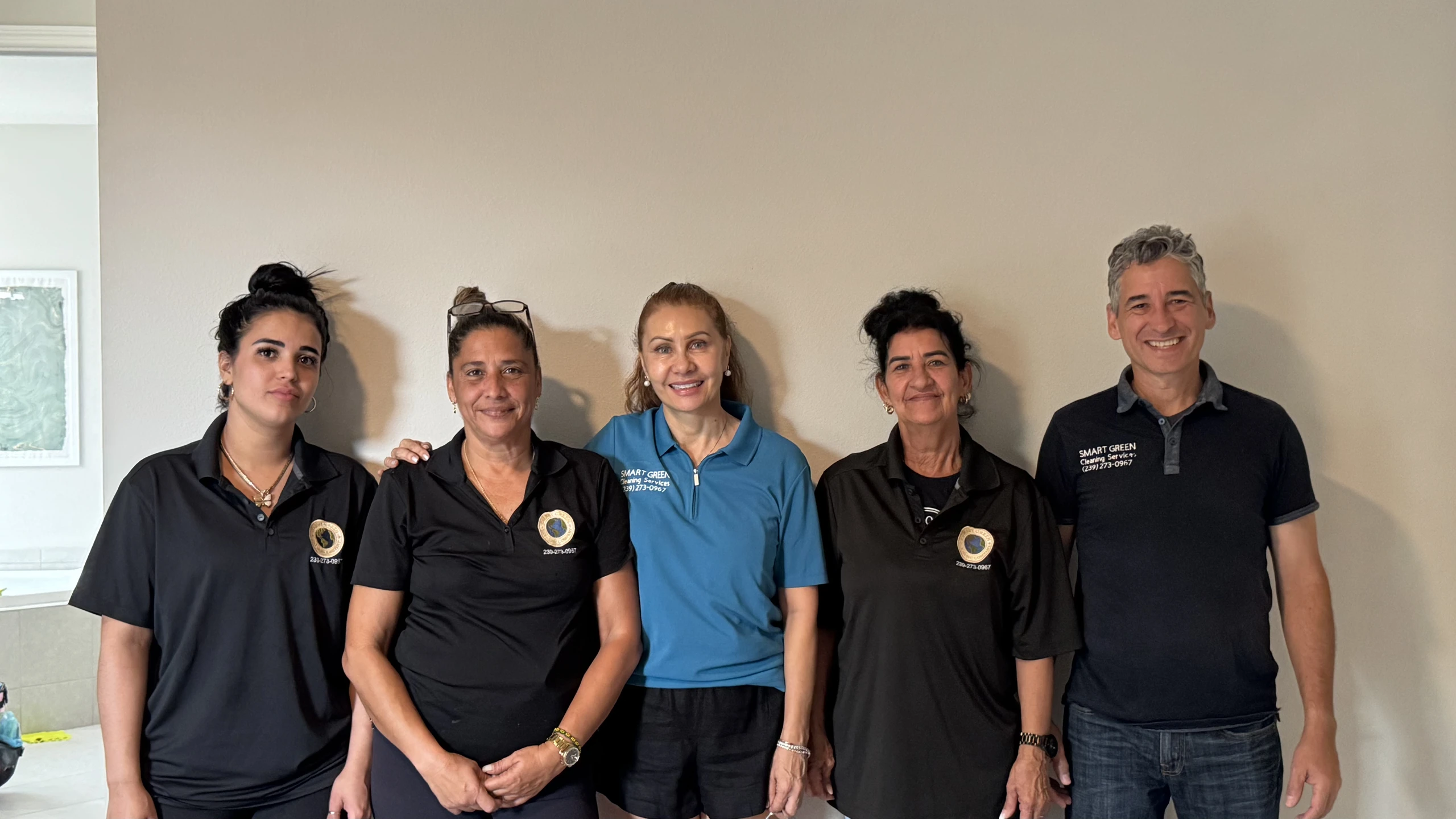
Smart Green cares for Naples-area homes and workplaces. Tell us about the spaces you use, the details that matter, and the help you need. The cleaning plan starts with that conversation.
Meet Smart GreenWhat shapes your estimate?
The facility layout, frequency, condition, and tasks agreed with management shape the estimate. Ask how additional event-related work would be requested. Specialty floor extraction remains a separate quote and service conversation. Include your Park Shore address and ZIP code, access instructions, and preferred timing so the team can confirm the arrangements for your property.
- Step 01
Tell us about the space
Call to share the location, service, property details, and your main priorities.
- Step 02
Review the cleaning plan
We follow up to clarify the work, access, and estimate before you decide.
- Step 03
Arrange the visit
Once the quote is agreed, we confirm availability and the appointment details.
Questions about clubhouse & janitorial cleaning in Park Shore.
How do I request clubhouse & janitorial cleaning in Park Shore?
Call (239) 610-2533 to discuss clubhouse & janitorial cleaning for your Park Shore property. Share the address and ZIP code, and describe the size and condition of the space. Include your priorities and access details. The team confirms coverage, the agreed work, quote, and availability before a visit is booked.
What information does a facility manager need to provide?
Provide the address, managed-area list, occupancy or event schedule, access instructions, and the contact approving the quote. Discuss desired frequency and priorities. Specialty floor extraction requires a separate estimate and equipment-access review.
Who should approve the facility cleaning scope?
Choose a site contact authorized to review tasks and approve changes. Their role may differ from the person providing entry or a building manager responsible for common areas. Clarify which organization manages each space, the applicable operating rules, and how questions about restricted areas should be handled.
How much does clubhouse & janitorial cleaning cost in Park Shore?
Commercial work uses a tailored facility estimate rather than residential bedroom-based rates. Compare the managed areas, repeated tasks, visit frequency, and any additional projects named in the proposed agreement. Supplies and waste-handling expectations also need clarification. The site contact reviews the work and price before service is confirmed.
Can specialty floor extraction be coordinated with facility cleaning?
Yes, discuss the requested services together while keeping their scopes distinct. Deep carpet and tile or grout extraction have separate specialty estimates and dedicated equipment. Ask about the order of work and treatment-specific aftercare rather than assuming routine floor upkeep includes extraction or that all services have the same room-use requirements.
What changes should I mention before my Park Shore visit?
Use the authorized site contact to report changes in operating hours, room use, event activity, managed areas, or equipment restrictions. Identify whether the concern relates to the agreed recurring tasks or an additional project. A new room or specialty treatment needs scope review rather than becoming an automatic part of the facility agreement.
More cleaning services in Park Shore.
Compare the scope of each service before choosing your next step.
Clubhouse & janitorial cleaning in other service areas.
Choose the location of your property for local planning information.